
How Proper Grading Protects Your Foundation from Rain Damage
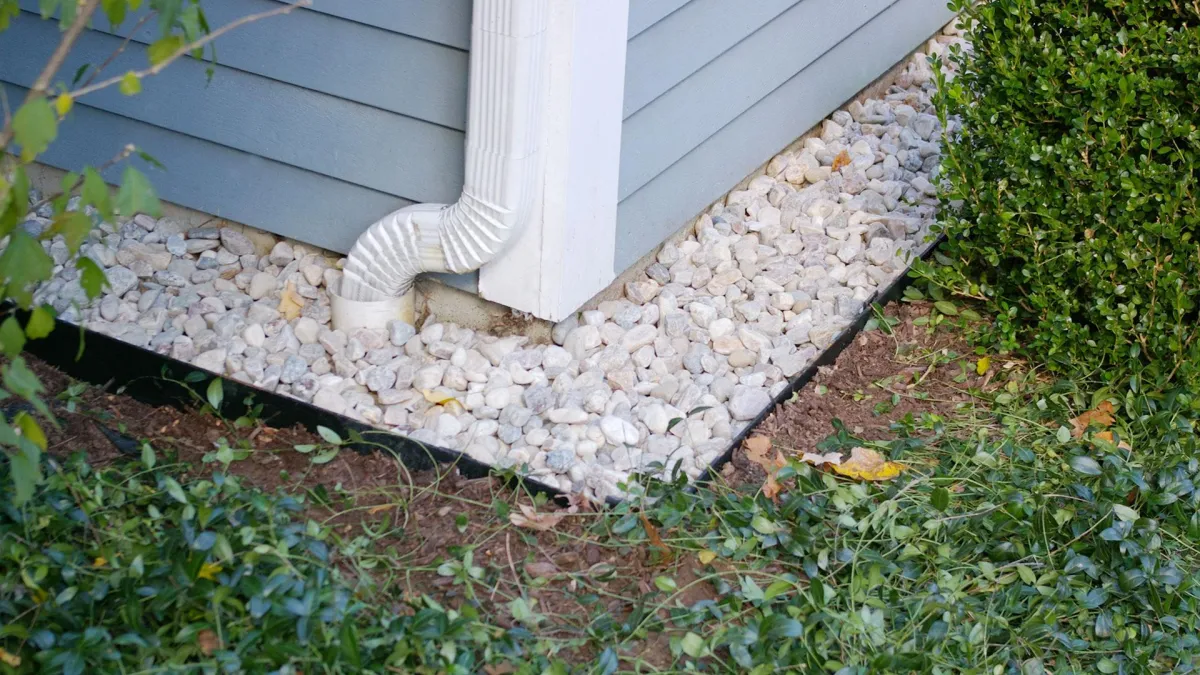
When it rains in the Bay Area, your home’s foundation quietly takes on the greatest risk. The combination of heavy rainfall, shifting soil, and uneven terrain can lead to water pooling around your property—causing serious damage that often goes unnoticed until it’s too late.
At Montclair Construction, we’ve been helping Bay Area homeowners protect their foundations for over 40 years. One of the simplest yet most powerful ways to safeguard your property is through proper grading—the careful sloping of your yard to ensure water drains away from your home.
Let’s explore why grading is such an essential part of home protection, how to recognize problems early, and what you can do to prevent costly foundation damage.
Understanding the Basics: What Is Proper Grading?
Grading refers to the process of shaping and leveling the soil around your home to control the flow of water. A properly graded yard directs rainwater away from your foundation—usually with a gentle slope that falls at least 6 inches over the first 10 feet from your home’s perimeter.
The goal is simple:
Make sure water moves outward from your foundation instead of pooling against it.
Proper grading often goes hand-in-hand with other drainage solutions such as:
French drains
Catch basins
Gutter and downspout extensions
Drainage swales
When designed correctly, these systems work together to keep your property dry, stable, and free from moisture-related issues.
Why Grading Matters: The Hidden Dangers of Poor Drainage
Poor grading doesn’t always look dramatic at first—but over time, it can quietly destroy your home’s foundation. When water collects near your structure instead of draining away, it begins to saturate the soil beneath. This can lead to several serious issues:
1. Foundation Cracks and Structural Shifting
Excess moisture softens the soil supporting your foundation, allowing it to move or settle unevenly. This uneven pressure creates cracks in walls, floors, and foundation slabs, leading to structural instability and expensive repair work.
2. Basement and Crawl Space Flooding
Improper grading allows rainwater to pool right next to your foundation walls, eventually finding its way inside. Even small leaks can cause persistent dampness, mold growth, and wood rot, putting your indoor air quality and health at risk.
3. Soil Erosion and Landscaping Damage
When the slope is too steep or uneven, rainfall can wash away topsoil and damage your landscaping. Over time, this erosion can expose your foundation footings and create unsightly trenches around your home.
4. Increased Hydrostatic Pressure
When water collects in the soil around your foundation, it exerts hydrostatic pressure against the walls. This pressure can cause walls to bow inward, crack, or even collapse in severe cases.
How Proper Grading Prevents Foundation Damage
Think of grading as your home’s first line of defense against rain and runoff. Here’s how it keeps your foundation safe:
1. Directs Water Away from Your Home
A properly sloped yard naturally channels water away from your foundation and toward safe drainage areas. This simple principle drastically reduces the risk of standing water and moisture infiltration.
2. Reduces Soil Expansion and Contraction
Clay-heavy soils (common in parts of Oakland and the Bay Area) expand when wet and contract when dry. Proper grading minimizes these moisture fluctuations, preventing the stress that causes foundations to crack or shift.
3. Enhances the Efficiency of Drainage Systems
Even if you have gutters, downspouts, or French drains installed, poor grading can undermine their performance. Correct grading ensures all water management systems work harmoniously together.
4. Protects Driveways, Patios, and Walkways
Improper grading doesn’t just threaten your foundation—it can also cause water pooling on paved areas, leading to cracking, heaving, and surface deterioration over time.
Signs That Your Property May Need Regrading
It’s not always obvious that your yard is graded incorrectly. However, there are several red flags that indicate a potential problem:
Water pooling near your home’s foundation after rain
Puddles forming on your lawn that take days to dry
Soil erosion around patios, steps, or walkways
Damp or musty smells in basements or crawl spaces
Cracks along foundation walls or floors
Uneven settling in your yard or sinking areas near the house
If you notice one or more of these issues, your property might need regrading or drainage correction to prevent further damage.
DIY vs. Professional Grading: What You Need to Know
While minor yard reshaping can be a DIY project, foundation-related grading requires precision and experience. Small mistakes—such as creating too steep a slope or directing runoff toward a neighboring property—can cause more harm than good.
DIY Grading Works For:
Small landscaping projects
Correcting surface-level puddles
Installing garden drainage
Professional Grading Is Best For:
Homes with existing foundation cracks or water intrusion
Properties with large elevation changes
Clay or unstable soil types
New home construction or major remodeling projects
At Montclair Construction, we use laser levels, soil compaction tools, and advanced grading equipment to ensure precise results. Our experts design grading plans that blend seamlessly with your landscaping while protecting your foundation for decades to come.
Seasonal Grading Tips for Bay Area Homeowners
Because the Bay Area experiences distinct wet and dry seasons, it’s crucial to maintain your grading year-round. Here are a few practical tips:
1. Inspect Before the Rainy Season
Each fall, check for depressions or areas where soil has settled near your foundation. Fill low spots with compacted soil to restore the slope.
2. Keep Gutters and Downspouts Clear
Clogged gutters can overflow and deposit water right next to your home—defeating the purpose of good grading.
3. Add Mulch or Gravel in Erosion-Prone Areas
Mulch helps absorb rainfall and prevents topsoil from washing away, while gravel paths can guide runoff toward drains.
4. Avoid Overwatering Landscaping
Even in the dry season, excess irrigation can create soggy soil near your foundation. Use drip systems or sprinklers with timers to regulate watering.
Protect Your Home Before the Next Storm
Rainwater may seem harmless, but without proper grading, it can slowly undermine your foundation, damage your home’s structure, and lead to expensive repairs down the road.
At Montclair Construction, we take pride in providing the expertise and craftsmanship homeowners need to keep their properties safe and secure—rain or shine.
Contact Montclair Construction today to schedule a foundation and drainage evaluation.
Serving Oakland, CA, and the Greater Bay Area with quality construction services since 1983.


