
Do You Need a French Drain or a Channel Drain? Pros & Cons
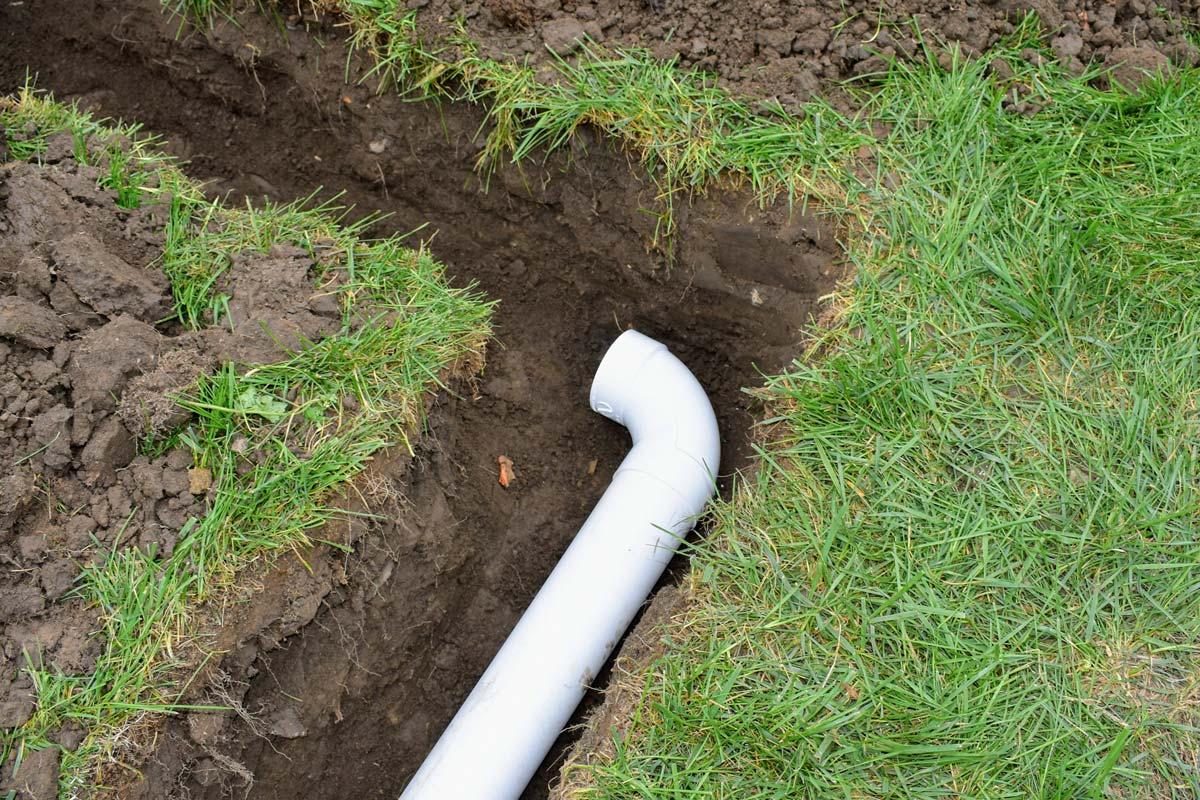
Water management is one of the most overlooked but critical parts of maintaining a safe, stable, and beautiful home. When excess rainwater starts pooling in your yard, driveway, or near your foundation, it can cause expensive problems — from foundation cracks to landscape erosion.
That’s why installing an effective drainage system is essential. Two of the most popular options are French drains and channel drains. Both systems serve the same purpose — directing water away from your home — but they work in very different ways.
At Montclair Construction, we’ve been designing and installing reliable drainage systems in Oakland, CA, and across the Greater Bay Area since 1983. In this guide, we’ll help you understand the differences between these two systems, their advantages, and how to choose the right one for your property.
Understanding the Basics of Drainage Systems
Before comparing the two, it helps to know why proper drainage is so important in the Bay Area.
Our region experiences seasonal rainfall, sloped lots, and clay-heavy soil, which can trap water around foundations or driveways.
Without an efficient drainage plan, water can cause:
Foundation damage from soil expansion and contraction
Basement flooding and moisture intrusion
Soil erosion and landscaping loss
Driveway or patio cracking from water pressure and freezing
A well-designed drainage system controls how water flows through and away from your property — protecting both structure and landscaping.
What Is a French Drain?
A French drain is a subsurface drainage system used to manage both surface water (from rain) and groundwater (moisture in the soil). It’s built by digging a trench, laying a perforated pipe, and surrounding it with drainage rock to help water filter in and flow away naturally.
This system redirects water away from your foundation, garden, or yard toward a safe discharge point such as a storm drain, dry well, or slope.
Ideal Applications
Around the foundation of homes to prevent basement flooding
In lawns or gardens with poor drainage
Along retaining walls to relieve hydrostatic pressure
Beneath landscaping or planters to prevent soggy soil
Advantages of a French Drain
Comprehensive Water Management
Handles both surface and underground water effectively.Protects Foundations
Keeps water from accumulating against the base of your home.Visually Discreet
Once installed, it’s hidden beneath soil, maintaining your landscape’s appearance.Flexible Design
Can be installed in curved or sloped areas where surface drains aren’t practical.
Disadvantages
Labor-Intensive Installation: Requires digging, grading, and sometimes trench lining.
Clogging Risk: Over time, debris and sediment can block the pipe if not properly maintained.
Not Suited for Paved Areas: Works best in soil, not on concrete or asphalt surfaces.
Maintenance Tip:
Flush your French drain every 1–2 years to prevent sediment buildup, especially after heavy Bay Area storms.
What Is a Channel Drain?
A channel drain — also known as a trench drain — is a surface-level drainage system that collects water flowing over concrete or paved areas. It’s a long, narrow trough topped with a metal or plastic grate that directs runoff into an underground pipe or outlet.
Ideal Applications
Driveways that slope toward garages or houses
Patios and pool decks prone to standing water
Garage entrances or walkways where runoff collects
Commercial or multi-unit buildings with heavy foot traffic
Advantages of a Channel Drain
Excellent Surface Drainage
Quickly collects and redirects water off hard surfaces.Prevents Flooding in Sloped Driveways
Especially useful for homes in Oakland hills or uneven lots.Durable and Load-Bearing
Heavy-duty models can handle vehicles, making them ideal for driveways.Easy to Clean
The removable grate design allows quick access for debris removal.
Disadvantages
Visible Grates: Some homeowners may find them less aesthetically pleasing, though decorative options exist.
Limited to Surface Water: Doesn’t solve groundwater or foundation seepage issues.
Requires Slope Accuracy: Proper installation is critical for efficient water flow.
Maintenance Tip:
Remove the grate and clean debris every few months, especially before and after the rainy season.
Expert Insight: The Bay Area’s Unique Drainage Challenges
Homes in the Oakland and Greater Bay Area face unique conditions:
Hilly terrain and slopes cause runoff to collect near foundations.
Clay-heavy soil traps water, leading to soggy yards.
Older homes often lack modern waterproofing or foundation drainage.
These local factors make it even more important to work with an experienced contractor who understands the soil composition, rainfall patterns, and property grading in your specific area.
Montclair Construction: Drainage Experts Since 1983
For over 40 years, Montclair Construction has helped homeowners across Oakland and the Bay Area protect their properties from water damage through professional drainage design and installation
We Offer:
Custom French Drain and Channel Drain Installation
Site Grading and Foundation Waterproofing
Retaining Wall Drainage Integration
Complete Landscape and Concrete Drainage Solutions
Our team doesn’t just install drains — we design systems that fit your property’s unique slope, soil, and structure to ensure long-term reliability and minimal maintenance.
Get a Professional Drainage Evaluation Today
Whether you’re noticing standing water, soil erosion, or foundation cracks, it’s time to take action before the next rainy season hits.
Contact Montclair Construction today for a professional site evaluation and expert recommendation.
We proudly serve Oakland, CA, and the Greater Bay Area, providing trusted construction services since 1983.


